Choosing the Right Roofing Solution for Industrial and Commercial Buildings
A roof is one of the most critical components of any industrial or commercial building. It protects valuable assets, equipment, inventory, and employees while contributing to the overall energy efficiency and durability of the structure. Choosing the right roofing solution can significantly impact maintenance costs, operational efficiency, and the long-term performance of the building.
Why Roofing Selection Matters
Industrial and commercial facilities are exposed to various environmental conditions, including heavy rainfall, intense sunlight, strong winds, and temperature fluctuations. A well-designed roofing system helps:
- Protect the building from weather-related damage
- Improve thermal insulation and energy efficiency
- Reduce maintenance and repair costs
- Enhance structural durability
- Increase the lifespan of the facility
Selecting the wrong roofing solution can lead to water leakage, heat gain, corrosion, and frequent maintenance issues that affect business operations.
Key Factors to Consider When Choosing a Roofing Solution
1. Building Purpose and Usage
The roofing requirements of a warehouse, manufacturing plant, logistics center, shopping complex, or office building may vary significantly. Understanding the building’s operational needs helps determine the most suitable roofing material and design.
2. Climate Conditions
Local weather conditions play a major role in roofing performance. Areas with high temperatures require roofing systems with excellent heat-reflective properties, while regions with heavy rainfall need superior waterproofing and drainage capabilities.
3. Energy Efficiency
Modern roofing systems can help reduce energy consumption by minimizing heat transfer into the building. Insulated roofing panels are particularly beneficial for maintaining comfortable indoor temperatures and lowering cooling costs.
4. Structural Strength
Industrial and commercial roofs must withstand environmental loads such as wind, rain, and occasional maintenance traffic. Choosing high-quality materials ensures long-term structural reliability and safety.
5. Maintenance Requirements
A roofing solution should provide durability with minimal maintenance. Investing in premium roofing materials can reduce future repair expenses and operational disruptions.
Popular Roofing Solutions for Industrial and Commercial Buildings
The roofing requirements of a warehouse, manufacturing plant, logistics center, shopping complex, or office building may vary significantly. Understanding the building’s operational needs helps determine the most suitable roofing material and design.
Metal Roofing Systems
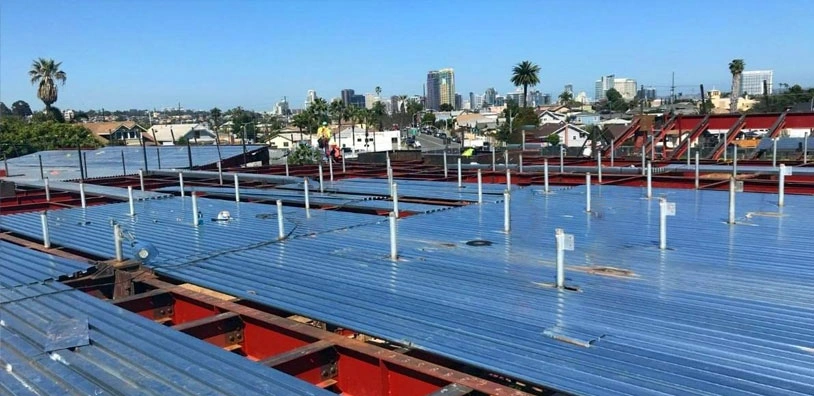
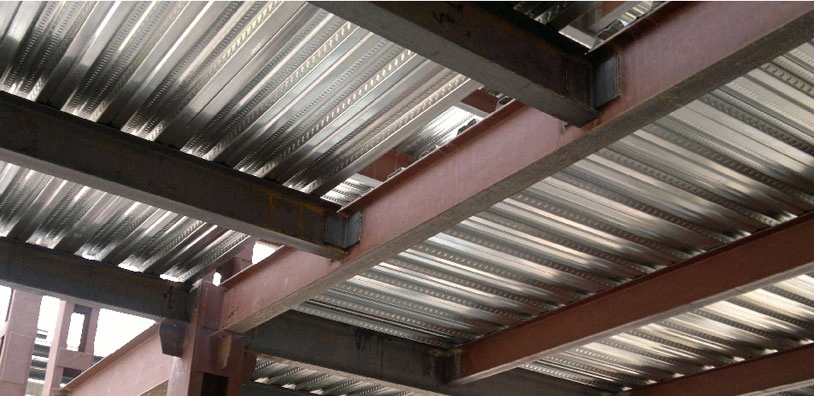
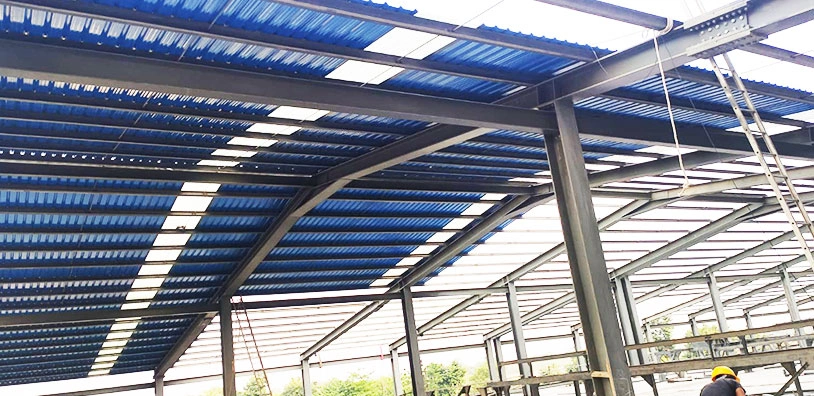
Metal roofing is widely used in industrial and commercial construction due to its strength, durability, and long service life. It offers excellent resistance to weather conditions and requires relatively low maintenance.
Benefits:
- Long lifespan
- High durability
- Fire resistance
- Low maintenance
- Cost-effective over time
PUF Insulated Roofing Panels
PUF (Polyurethane Foam) insulated roofing panels provide superior thermal insulation and are ideal for facilities that require temperature control and energy efficiency.
Benefits:
- Excellent insulation performance
- Reduced energy costs
- Lightweight construction
- Faster installation
- Improved indoor comfort
Standing Seam Roofing
Standing seam roofing systems feature concealed fasteners and enhanced weather resistance, making them suitable for modern industrial and commercial buildings.
Benefits:
- Leak-resistant design
- Attractive appearance
- Long-term durability
- Minimal maintenance
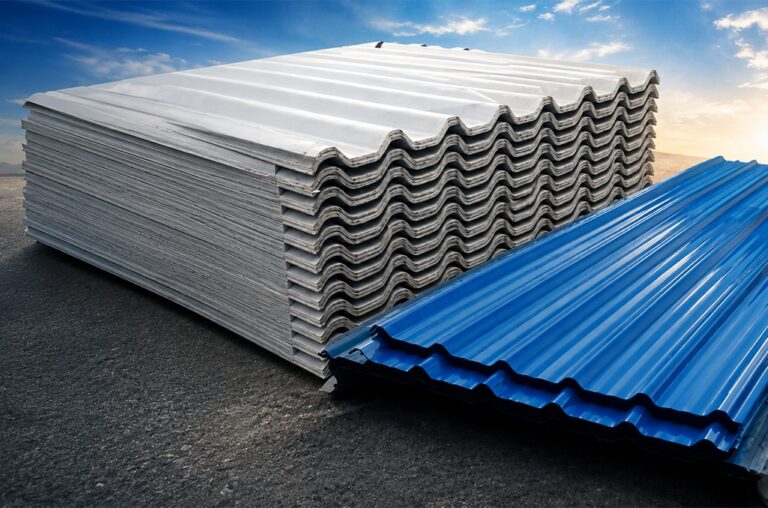
Color-Coated Roofing Sheets
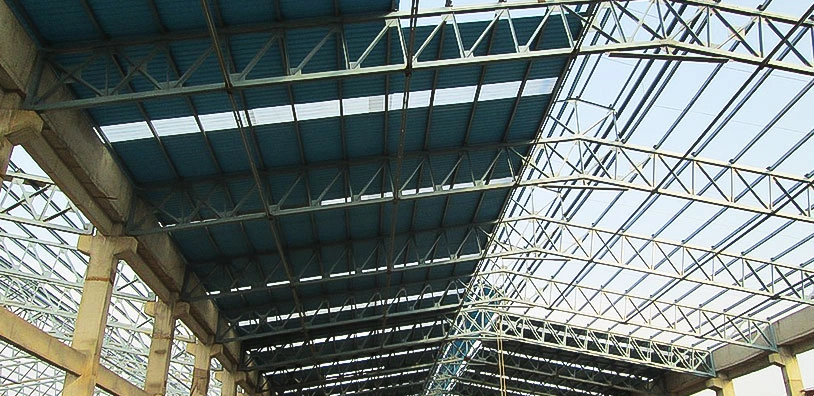
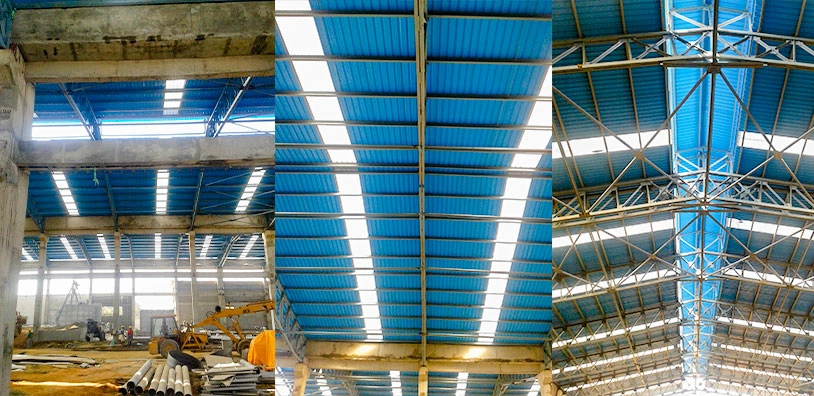
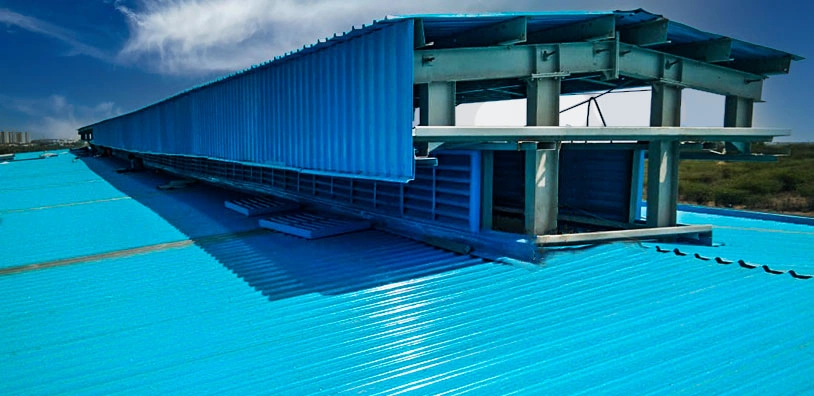
Color-coated roofing sheets combine functionality with aesthetics and are commonly used in factories, warehouses, commercial complexes, and industrial sheds.
Benefits:
- Corrosion resistance
- Wide range of color options
- Weather protection
- Cost-effective solution
Importance of Professional Installation
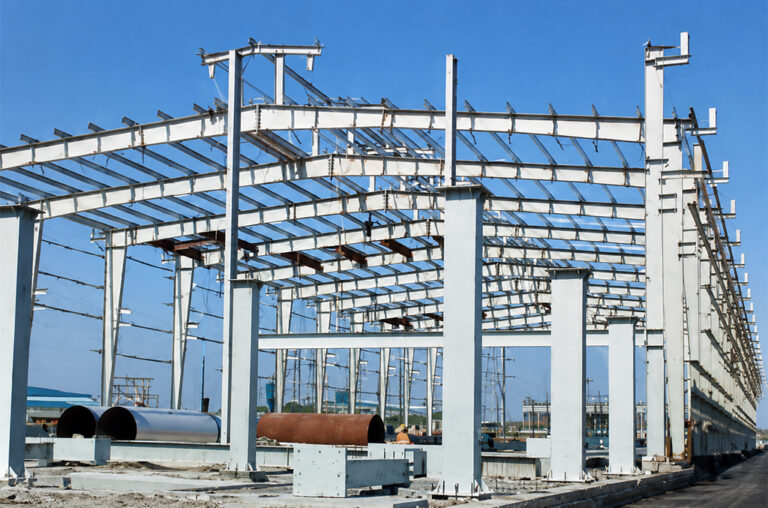
Even the highest-quality roofing materials can underperform if not installed correctly. Professional design, engineering, and installation ensure proper alignment, waterproofing, load distribution, and long-term performance.
Working with experienced roofing specialists helps avoid common issues such as water leakage, premature wear, and structural weaknesses.
Future Trends in Industrial and Commercial Roofing
The roofing industry continues to evolve with innovations focused on sustainability, energy efficiency, and performance. Businesses are increasingly adopting:
- Energy-efficient insulated roofing systems/li>
- Solar-ready roofing designs
- Sustainable and recyclable materials
- Advanced waterproofing technologies
- Smart roofing solutions for better building management
Conclusion
Choosing the right roofing solution for industrial and commercial buildings requires careful consideration of climate conditions, building usage, energy efficiency goals, and long-term maintenance requirements. Whether opting for metal roofing, insulated panels, standing seam systems, or color-coated sheets, the right roofing solution can improve building performance, reduce operational costs, and provide lasting protection for years to come.
A well-planned roofing investment not only safeguards your facility but also contributes to the overall efficiency, sustainability, and success of your business operations.